
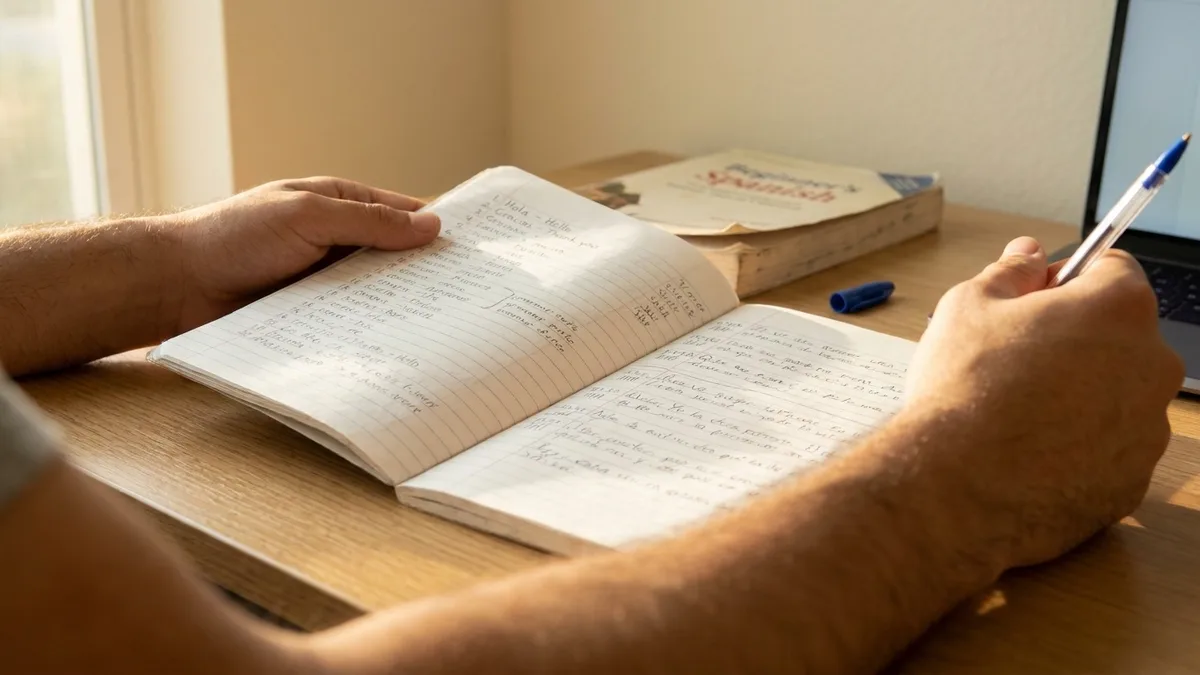
I spent 330 minutes over four weeks learning beginner Spanish with two chatbots, and the split was clear by lesson four: Claude for written grammar, ChatGPT for spoken role-play. Neither tool won everything.
The test was simple. Eleven lessons, 30 minutes each, three per week with one skipped. Same prompts, same notebook, same beginner textbook on my desk in Austin, Texas. Both stayed on their free tiers the whole month.
By the end I had a correction log with 58 Claude corrections and 76 from ChatGPT, and a strong opinion about which brand deserves your study time. The short answer depends on the practice you need this week.
Here is what each bot actually did, what tripped me up, and the 30-minute loop I would run again.
Claude won grammar; ChatGPT won speaking
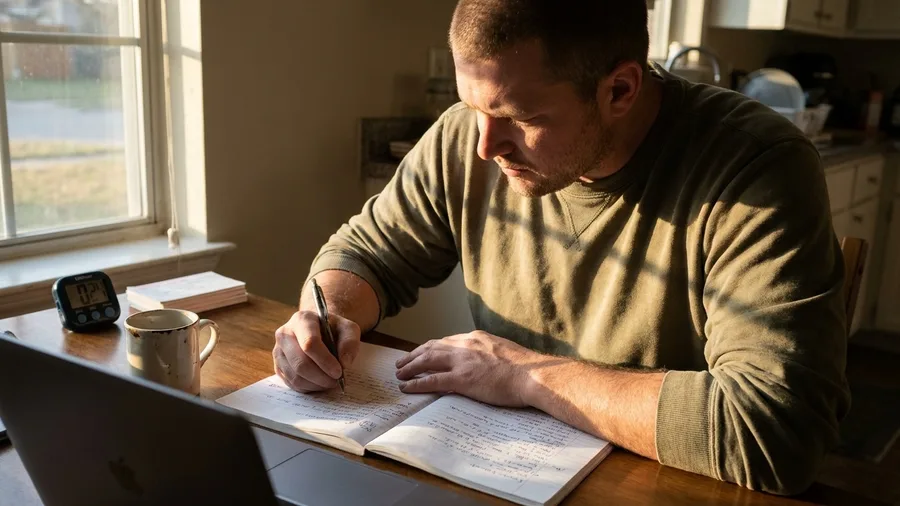
For a beginner sitting down to study tonight: Claude is the better grammar and vocabulary teacher, ChatGPT is the better conversation partner. I tested that split over 11 beginner Spanish lessons at my own table in Austin, not in a lab.
Each lesson ran 30 minutes, three nights a week for four weeks, with one session skipped, for 330 minutes in all. Same prompts, same notebook, same timer on the kitchen counter.
Neither tool got a dollar from me during that month. I used Claude Free and ChatGPT Free on the web, no upgrade, no trial card. That keeps the result close to what most readers will actually start with.
So pick by this week's practice, not by brand. A week of writing drills points to Claude. A week of speaking practice points to ChatGPT, as long as you know about the voice limit covered a section or two further on.
| What I compared | Claude Free | ChatGPT Free | Did it change the pick? |
|---|---|---|---|
| Answer length | Shorter, tighter explanations | Longer, more examples and tangents | Yes — beginner on a schedule finishes more with Claude |
| Free-plan limits | Resets every 5 hours; 200,000-token context; up to 20 uploads per chat | Unlimited text chats; voice, uploads and deep research limited | Yes — ChatGPT voice limit interrupted weekend role-play |
| Corrections in my log | 58 corrections, each named a rule | 76 corrections, more rewrites | Yes — Claude for grammar feedback |
| Conversation practice | Held the scenario but felt scripted and slow | Livelier voice, but drifted and accepted wrong Spanish | Yes — ChatGPT for speaking, with a pinned prompt |
| Pronunciation | Written tips only, no audio judgment | Inconsistent voice corrections | Neither is a pronunciation coach |
| Cost | $0 during test; Pro $20/month | $0 during test; Plus $20/month, Go $8/month | No — free tiers carried all 11 lessons |
Claude's shorter answers were easier to finish

Longer answers slowed my learning down, because the clock that mattered was my review time, not the reply on screen. Claude finished explaining before I got restless. ChatGPT kept going and going.
A typical Claude reply was a short explanation and a couple of example sentences. ChatGPT added extra examples, side notes on usage, and the occasional tangent about regional slang I had not asked for.
The three clocks: the AI wrote its reply in 10 to 60 seconds. My review and edits took 10 to 20 minutes. A longer reply ate straight into the second clock.
On a fixed schedule, Claude's tighter answers meant I reached the end of the 30 minutes with the drill done. Someone with a free evening could enjoy ChatGPT's extra examples without falling behind.
My rule now is one page, about 700 words, before review starts. When a reply spilled past that, I stopped reading closely and started skimming. That was the tell.
ChatGPT's voice limit interrupted speaking practice

The free plans do last a month of beginner lessons, with one exception: ChatGPT's voice mode ran out mid-weekend and cut my speaking practice short. Text carried all 11 lessons in both tools.
Claude Free resets every five hours and comes with a 200,000-token context. A token is a chunk of text the model counts, roughly three quarters of a word. Claude also takes up to 20 file uploads per chat, which held every worksheet I brought.
ChatGPT Free gives unlimited text chats. Voice, uploads, image creation and deep research are all limited, and voice is the one that stops a role-play in the middle of a sentence, which happened to me twice.
My fix was a schedule: two short text lessons on weekdays, and one voice-heavy role-play lesson on the weekend, kept short. The written review waited until after the limit reset.
Claude corrected less and explained more
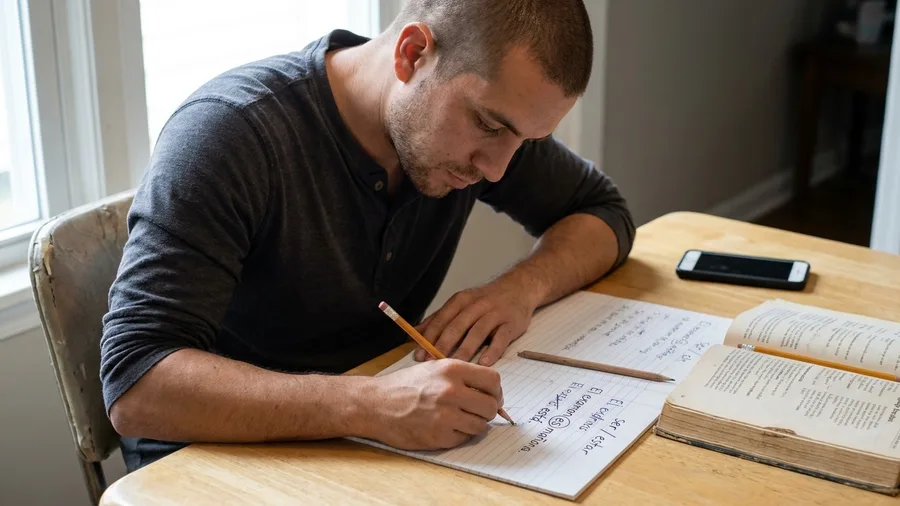
Mistakes are where the two tools separate most. In lesson three I typed "Estoy de Texas." Claude marked it, said where I am from takes ser, not estar, and gave me the pair side by side.
ChatGPT smoothed the sentence into a correct version and kept going, so I never saw what I broke.
Across 11 lessons I logged every mark: 58 from Claude, 76 from ChatGPT. The bigger count did not mean better teaching. Each one cost me a textbook and dictionary check, and a rewrite hides the error while a named rule teaches it.
Both chime in with a grammar rule in a tone that sounds certain, and sometimes the rule is wrong. Nothing reached my notebook until I had checked it by hand.
So I stopped asking for full rewrites. Two corrections and one rule per answer is plenty to review in ten minutes, and that is the version I actually remember.
⚠️ COMMON MISTAKE
Treat every grammar rule as a draft
A chatbot can state a false rule with the same tone it uses for a true one. Check each rule and each word against a beginner textbook or dictionary before it reaches your notes. It adds about two minutes per lesson and saves weeks of unlearning.
ChatGPT role-play was livelier but drifted

Speaking flips the ranking. Take the same script, ordering food in a restaurant, held to exactly 8 turns, and ChatGPT's voice mode is the one that makes you talk. Claude types back a careful, correct exchange, and it plays like reading a phrasebook.
In ChatGPT I answered out loud before I had finished building the sentence, which is the whole point of practice. The trouble came around turn five. It wandered to dessert, then the bill, and it let a badly conjugated verb slide to keep things friendly.
Claude stayed in the restaurant for all 8 turns and caught more errors, but the replies felt stiff, and I waited on each one. Slow dialogue is still dialogue, though. It drilled accuracy, not nerve.
The fix sits in the first message: name the scene, the number of turns and the correction style before anyone speaks. I set all three now, and ChatGPT still drifts, just later.
Neither one is a real pronunciation coach
Sound is where both tools run out. ChatGPT's voice mode held a conversation with me, but its notes on my vowels and stress changed from turn to turn, and some turns got no note at all.
Switch to Spanish and the voice is pleasant and confident, and that confidence is the problem.
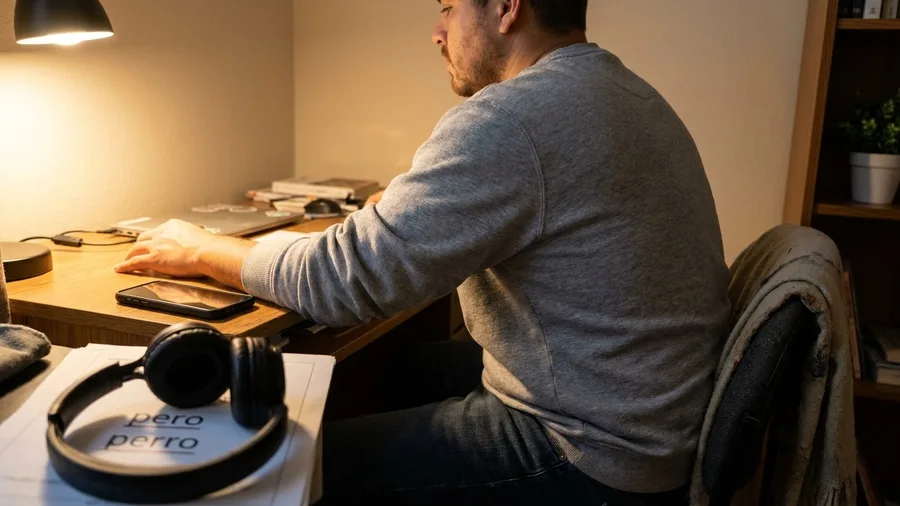
Claude gave me written tips and word pairs like pero and perro, in a typed lesson where nothing listened to me. It can describe the sound of a rolled r and never hear whether I made one.
A chatbot is built to keep the chat going, so it will praise a mangled word rather than stop you. The check that held was my phone's recorder, played next to a native clip from a free dictionary site with audio.
Use the AI for vocabulary and sentence patterns. Then give the sounds 10 minutes with a tutor or a pronunciation app, where someone grades how you actually say it.
⏱️ The 30-minute lesson loop, step by step
Warm-up, 5 minutes
Write 10 words recalled from the last lesson, then feed them to the chatbot as a quick quiz.
Set the loop prompt
Paste the reusable tutor prompt and cap the answer at one page so review stays short.
New dialogue or grammar, 15 minutes
Work through one scenario or one rule, stop at 30 minutes, and do not get pulled into extra tangents.
Review 2 corrections and 1 rule, 10 minutes
Copy the two corrections and one rule into the notebook, checked against the textbook and dictionary.
Log the mistake
Add the error to the notebook and feed it back into the next warm-up so it returns as a quiz.
My 30-minute lesson loop, step by step
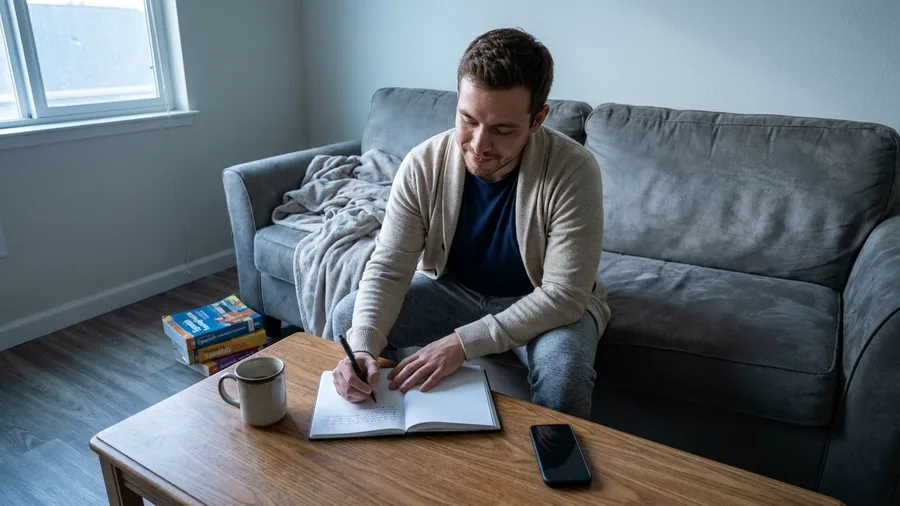
Once I stopped waiting for an accent grade, the thing that actually taught me Spanish was the same 30 minutes, repeated.
My loop splits clean: 5 minutes recalling 10 words from memory, 15 minutes on a new dialogue or grammar point, 10 minutes on two corrections and one new rule.
I pasted the same tutor instruction into both tools before every lesson, so neither one changed character on me midweek.
Prompt to copy
You are a patient Spanish tutor for a beginner. Stay at A1 level. In each reply, give one short explanation, two example sentences, and at most two corrections. Ask me one question. Do not switch to English unless I ask.
Every correction went into a paper notebook, and the next warm-up started with those lines. The one day I skipped the 10-minute review to save time, my old ser/estar slip walked straight back into the following lesson.
For lesson one, introduce yourself in Spanish, ask for two corrections, and stop at 30 minutes.
Both free tiers are enough for month one

Nothing I did in those 11 lessons needed a paid plan. Month one ran entirely on the two free tiers, on the same prompts, and both carried me to the end.
Claude Free held a 200,000-token context and up to 20 file uploads per chat, with usage resetting every five hours. ChatGPT Free gave unlimited text chats, but voice, uploads and deep research stayed limited.
Prices as of November 2026: Claude Pro is $20 a month, ChatGPT Plus is $20 a month, and ChatGPT Go is $8 a month. If I had upgraded on day one, that is $20 spent before I knew whether I would stick with it.
Paying only earns its place in three situations. You drill voice daily. You upload files constantly. Or you keep hitting Claude's five-hour cap. My rule: finish 11 free lessons on identical prompts first, so the comparison stays honest.
What is safe in a lesson vs what never goes in the chat
Safe to paste
- An invented practice persona and a made-up hotel booking number
- Your own example sentences at A1 level
- A public menu, timetable or news article you want to translate
- Short vocabulary lists and grammar questions
Never paste
- Passwords or login details of any kind
- Client files and work documents with real names
- Medical records or financial records
- Any real booking number or account identifier
Privacy rules are identical on both chatbots
Paying is a choice I could undo; what I typed into a chat was not. The privacy rules did not split by brand.
Both free and personal plans may use my chats to improve their models unless I turned that off in settings, so I treated them the same.
The rule I held: no passwords, client files, medical records or financial records, on either side. My weekend role-plays ran on a made-up persona with a throwaway email and invented details. My hotel check-in was a fake guest with a fake booking number.
The setup that made this easy was one browser profile, model training switched off where the settings offered it, and no real documents pasted into either tool.
Pick Claude for grammar, ChatGPT for speaking

The tool follows the practice, not the brand. In my 11 lessons Claude carried the writing and ChatGPT carried the talking, and that split still holds after the privacy rules, the limits and the $20 plans were all settled.
Claude Free, if: you get 30 minutes a day and the goal is grammar, vocabulary or working through a document.
Its shorter replies and named rules fit a fixed schedule, and my 58 logged corrections were easier to check against my textbook. Turn training off in settings first.
ChatGPT Free, if: you are traveling and need to speak out loud. Its voice mode pushed me to answer instead of composing in Spanish silently. Keep those sessions short, because the free voice limit is what stopped my weekend role-plays.
Neither tool fixes an accent. If you need pronunciation corrected or you are sitting an official exam, add a human tutor or an official course alongside the chatbot.
This week, paste the same 30-minute lesson into both tabs. Keep the one whose corrections you actually reread at the table.
Frequently Asked Questions
Is ChatGPT or Claude better for learning Spanish as a beginner?
Claude is better for written grammar and vocabulary feedback, while ChatGPT is better for spoken role-play. In 11 identical 30-minute beginner lessons, Claude's corrections named the rule and ChatGPT's voice practice pushed me to answer faster. Most beginners can start on either free tier and add the other later.
Can I learn a language for free with AI chatbots?
Yes, for at least a month. Both Claude Free and ChatGPT Free carried all 11 lessons in my test without a paid upgrade. The limits bite mainly with heavy file uploads or frequent voice practice. Claude Pro and ChatGPT Plus are both $20 a month if you decide to upgrade.
Do I need to code or install anything?
No. Both tools run in a web browser or a phone app, and you type a prompt into a chat box. There is no setup beyond an account. My whole loop was a browser tab, a notebook and a 30-minute timer.
Can AI correct my pronunciation properly?
Not reliably. ChatGPT's voice mode corrected inconsistently across turns, and Claude gave only written tips in my test. Record yourself and compare against a native audio source, or spend 10 minutes a week with a human tutor. Neither chatbot replaced that check.
How long does a lesson take?
About 30 minutes. The AI writes its answer in roughly 10 to 60 seconds, and the review of that answer takes 10 to 20 minutes of your own time. Longer AI answers add review time, not learning time, so caps of about 700 words helped.
Claude for the grammar, ChatGPT for the voice, both in your first week
Claude Free is the default for a beginner on a schedule who needs written grammar and vocabulary. ChatGPT Free is the pick for voice-heavy conversation, kept to short sessions so the free voice limit lasts the week.
Go back to the kitchen table with two tabs open and one timer. Paste the same restaurant-ordering prompt into both, give each 30 minutes, and log every correction. That is the whole test, and you can run it this week.
Keep the tab whose corrections you actually read the next day. My 330 minutes of lessons taught me that more clearly than any comparison of the two models.