

ChatGPT is the better story writer, but only for some stories. Gemini beats it when your draft leans on research, a firm plot outline or a long excerpt pasted in one piece.
The test: one 1,200-word sci-fi mystery, The Last Signal, about a night-shift radio operator in a fictional desert town who hears a message in her own voice. Both free plans got the same prompt each round, and each draft was scored after a timed edit.
The split is real. A ten-task comparison from G2 gave ChatGPT four outright wins to Gemini's three, with three splits. Neither label survives contact with a single chapter.
By the end you have a pick per task, the free-plan catches, and the genres where neither general assistant fits. A 700-word answer takes 10 to 60 seconds. The edit that follows takes minutes, and that is what decides.
| Round | What it tests | ChatGPT's edge | Gemini's edge | Pick for this task |
|---|---|---|---|---|
| 1 | Opening hook | More natural, expressive first line | Cleaner setup and plot clarity | ChatGPT for voice |
| 2 | Suspense scene | Stronger tension and immersion | Tighter scene structure | ChatGPT for tension |
| 3 | Twist ending | More impactful reveal | Neatly planted clues | ChatGPT for twists |
| 4 | Voice match | Edge on matching tone | Neutral, flat consistency | ChatGPT for ghostwriting |
| 5 | Dialogue | Natural banter and subtext | Dialogue that explains plot | ChatGPT for arguments |
| 6 | Genre range | Wins constrained horror | Wins argumentative essay | Pick by your genre |
| 7 | Complex prompts | Follows six constraints | Drifts on tight briefs | ChatGPT for strict briefs |
| 8 | Poetic form | Keeps rhyme and line turns | Poems read like prose | ChatGPT for formal poetry |
| 9 | Facts in fiction | More expressive detail | More fact-based and structured | Gemini for research |
| 10 | Long drafts | 27K context, about 12 pages | 32K context, more free features | Gemini after stripping names |
| 11 | Full verdict | Voice, prompts, twists | Research, structure, context | Test your own genre first |
Voice, hook and scene
A reader decides whether to keep going in the first paragraph, so the opening rounds carry more weight than any other part of the test. Both tools got the same 150-word cold open and the same character, on their free plans.
The question in each round is not which draft reads prettier. It is which draft leaves fewer repairs after a timed edit, because that edit is where your hours actually go.
1. ChatGPT hooks with voice; Gemini sets up cleanly

The prompt: the same 150-word cold open went to both free plans. A night-shift radio operator in a fictional desert town hears her own voice come back on a dead channel.
What came back: G2's comparison found ChatGPT reads more natural and expressive, while Gemini reads more fact-based and structured. On the page, Gemini's version explains the town and the shift first; ChatGPT opens on the voice itself. Gemini's reads as setup, ChatGPT's as a hook.
The check: read both aloud and keep the one that makes a listener ask the next question. Do not keep it before verifying every invented name, date and place in it.
💡 Tip: Read both openings aloud. Keep the one whose first sentence makes you ask what happens next, not the one with the better grammar.
Four repairs that keep coming back
2. ChatGPT builds suspense; Gemini summarizes the scene

The caution: Gemini can flatten a thriller into summary. A Yahoo tester gave it a sci-fi thriller scene and got something closer to a police report than a scene, all events reported and no body in the room.
What to add before you judge it: demand "show, don't tell" and name the senses you want in the brief. Without that instruction you are scoring a summary against a scene, and the summary always reads faster.
What the same 300-word prompt gave: the operator crouched under the booth desk while footsteps crossed the gravel outside. G2 found ChatGPT stronger at suspense and immersion, and the draft kept the pressure on the page.
The verdict: use ChatGPT for tension-driven scenes. If you prefer Gemini's structure, send it back with explicit pacing instructions and count the edits. The count decides, not the first read.
💡 Tip: Count the senses in the first hundred words. A suspense scene that has no sound, smell or touch is a summary wearing a scene's clothes.
🧪 Run the test on your own genre
Pick the scene
Choose a 300-word scene in the genre you write most, with one clear character and one turn.
Write one prompt
Draft the prompt once and paste the identical text into both free plans.
Time the generation
Record how long each answer takes, usually 10 to 60 seconds for this length.
Edit for ten minutes
Set a timer and cut, rewrite or add to each draft without reading the other first.
Score the repairs
Count the fixes each draft needed, then check every name, date and fact you kept.
Choose before paying
Keep the tool with fewer repairs and only then compare the paid plans.
3. ChatGPT lands the twist; Gemini shows the scaffolding
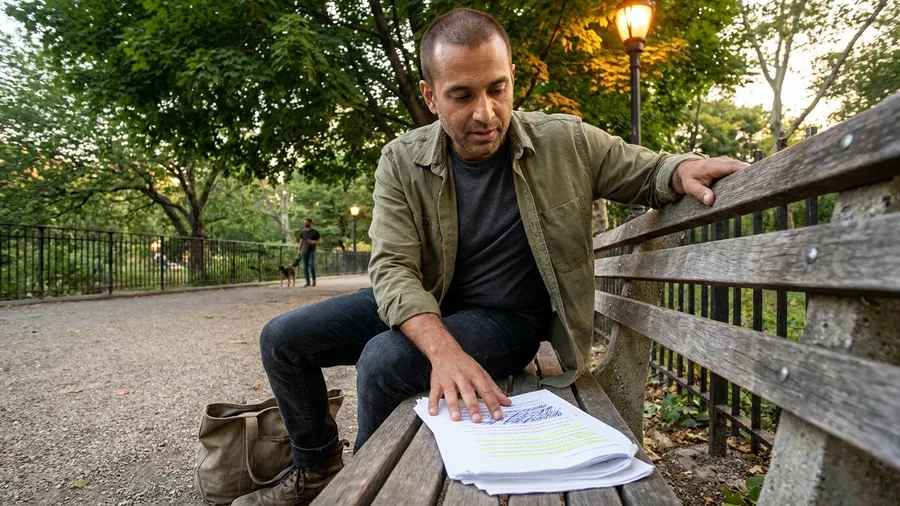
Prompt to copy
Write a 500-word scene for my sci-fi mystery. A night-shift radio operator in a desert town hears a message in her own voice on a dead channel. Build to exactly one reveal: the message is from her future self. Plant three clues a careful reader could catch, but do not announce the twist before the last 60 words. Third person, present tense, no adverbs, no summary paragraphs.
That prompt asks for one reveal and three clues in 500 words: the operator's future self sent the signal. ChatGPT's version landed with more impact in G2's twist comparison.
Gemini's structure planted its clues so neatly that a beta reader guessed the ending by word 200.
The catch: a twist that reads sharp in a prompt can go flat on the page once the clues sit in a row. Hand the draft to one reader who does not know the ending, and watch where their face changes.
The fix for structure lovers: Gemini's tidy clue trail works as a fairness map. Print it, mark which clues are too early, and tighten them by hand. Judge the draft after your edits, never the outline.
The pick: ChatGPT for twist-heavy genres, Gemini for a clue map you refine yourself. Budget an hour of edits per twist, because a clean reveal is the slowest thing either tool writes.
4. ChatGPT mimics your voice; Gemini stays neutral

A twist only lands if the characters sound like themselves, and matching a tone by hand is slow work. The writer pastes a 100-word sample of their own prose, then asks for a 200-word continuation in that voice. Both tools answer in under a minute.
ChatGPT keeps the edge on tone here. A Yahoo writer testing sci-fi in their own voice found ChatGPT still closer to their rhythm. Gemini leans fact-based and structured, so a personal essay can come back flat.
The catch cuts both ways. Tone matching can flatter a writer into keeping a line that is polished but not theirs. Set the two continuations side by side and compare sentence by sentence before saving either.
Keep ChatGPT for ghostwriting and voice-driven fiction. Use Gemini for neutral explainers, then edit the rhythm in by hand. The voice sample is a one-time setup worth about 5 minutes. Whichever version needs fewer sentence-level repairs wins.
Craft under pressure
These rounds put both tools under the constraints real writing jobs carry: dialogue that sounds spoken, a specific genre, a strict brief and a fixed poetic form. Constraint is where general assistants start to slip.
Each round scores the draft after a timed edit. A beautiful raw answer that drops half your instructions costs more than a plain one that follows all of them.
5. ChatGPT improvises banter; Gemini keeps dialogue on task

Dialogue is narration put under pressure, and it shows fast. Both tools get the same 400-word argument, with the radio operator and her sister fighting over whether to answer the signal.
ChatGPT's exchange reads spoken, with interruptions and half-finished lines. Gemini stays organized and uses the argument to explain the plot.
The catch: realistic banter can still be empty. Each exchange has to shift the power balance or reveal a choice. Count the lines that survive your edit, and check that every one moves something.
ChatGPT: the pick for voice-driven arguments and subtext. Gemini: useful for plot-critical exposition you plan to rewrite anyway. The winner is whichever leaves fewer lines you have to cut.
💡 Tip: Label each exchange lean or line. If most of an argument is line, the characters are talking to the reader, not to each other.
6. ChatGPT wins constrained horror; Gemini wins argument

The horror micro-story came back tight and complete, at 100 characters. The 500-word argument came back stronger from Gemini. G2's 10-task test scored them evenly: four wins for ChatGPT, three for Gemini, three splits. No tool sweeps the genres.
That is backed by genre-specific results. CNMO found ChatGPT won the constrained horror story and Gemini won the argumentative essay. Each tool has a genre where it reads better, and which one depends on the work.
The catch: a win in one genre does not carry over to the next. Test the writer's own genre before committing a month of work to either tool. Do not assume a horror win means crime will land the same way.
Keep ChatGPT for punchy genre fiction, Gemini for structured persuasion. Note which genre you actually write in, and pick by that, not by a single impressive scene.
7. ChatGPT follows complex prompts; Gemini drifts
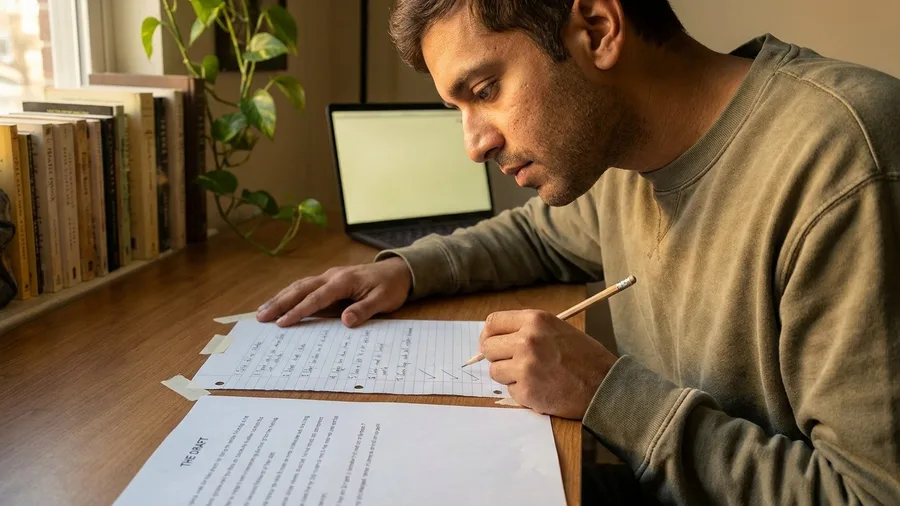
Six rules, one request: first person, 200 words, no adverbs, present tense, a title, and a last-line turn. ChatGPT met more of them and, per PCMag Greece, added touches such as a title unasked. Gemini needs the brief pared down first.
Neither tool announces a miss. Score the six on a checklist in about two minutes before you read for pleasure. A dropped rule costs a rewrite, and that rewrite is the real price of a tight brief.
Edit tally: six checks per draft, two drafts, twelve pass-or-fail marks. ChatGPT wins tight, award-style briefs; Gemini only after the prompt is cut down.
⚠️ COMMON MISTAKE
Do not rank the raw first answer
Both tools produce a confident draft in under a minute, and the polished surface tricks writers into keeping it. Set a timer, edit for ten minutes, then compare. The draft that needs six repairs beats the one that reads best untouched.
8. ChatGPT keeps poetic form; Gemini turns poem into prose

Fixed form shows whether a tool can hold a shape, so the same 12-line request went to both: a title, one rhyme scheme, the desert radio as the image.
ChatGPT carried the scheme and the title, per PCMag Greece. Gemini's lines sometimes read as prose cut into short rows.
A title and line breaks can dress prose as verse. Read the draft aloud and check that each line turns and the meter holds. Two minutes catches most fakes.
ChatGPT is the pick for formal poetry and constrained forms. Gemini suits free verse only after line-by-line work. Fewer repairs to form wins.
Long drafts, facts and privacy
The last three rounds move from craft to the practical limits: how many pages each tool holds, how it handles dates and real places, and what happens to your unpublished manuscript once you paste it.
These are the rounds that decide whether a tool can be trusted with a whole novella, not just a scene.
9. Gemini grounds research; ChatGPT takes creative risks
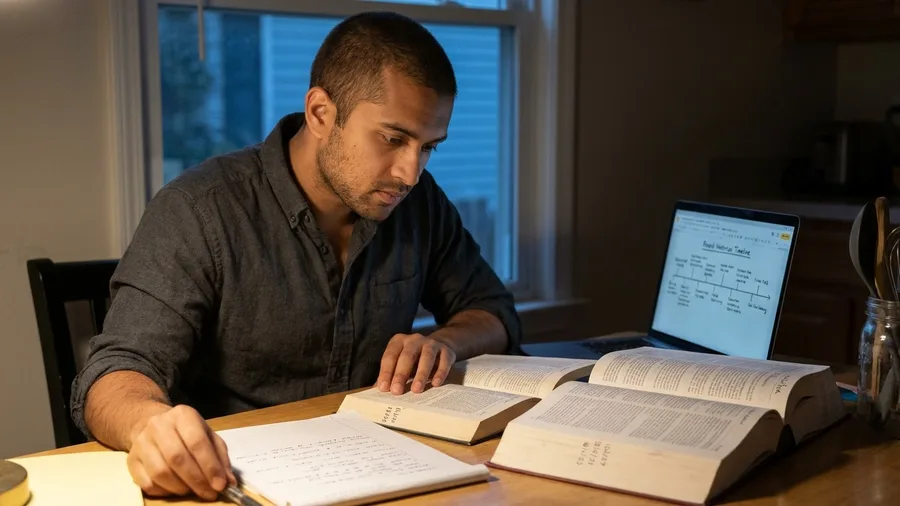
Prompt to copy
Write a 400-word historical scene set in a real town, April 1889. Include three dated events from that year and one real street name. Keep the prose plain. List every date, place and fact you used in a short note after the scene, with a source for each.
That request does two jobs: it asks for a scene, then it asks the tool to show its working. G2's comparison found Gemini leans fact-based, structured and research-driven, while ChatGPT is more natural and expressive, which shows up as invented detail.
Step 1 – Run it in Gemini. Open a new chat, paste the prompt, and wait about half a minute for 400 words. You should see a scene and a fact list beneath it.
Step 2 – Read the list before the scene. Open the source links on each date and street name. Anything you cannot confirm on a page outside the chat does not go into your story.
Step 3 – Repeat in ChatGPT for the prose itself. Copy the verified dates in as fixed facts. The catch: both tools invent quotes and dates with full confidence, and a long source PDF summarizes in 1-2 minutes while checking each line takes longer.
No quote goes in unchecked, so fact-check time counts as edit time. Gemini for research notes, ChatGPT for the scene.
💡 Tip: Keep a facts column in your notes file. Every verified date gets a tick, and every invented one gets cut before the draft moves on.
Paste a draft, or keep it out of the chat
Safe to paste
- Published story excerpts
- A short voice sample you wrote
- A scene with no real names or clients
- A genre test you plan to throw away
Keep out
- A full unpublished manuscript
- Client files and contracts
- Real addresses or personal records
- Passwords or account details
10. Gemini fits more pages; neither is a private vault

Real facts in a scene still fail if the tool cannot hold the pages, or if the pages stay on a server afterward.
Free ChatGPT caps uploads at three files a day and holds about 27,000 tokens, roughly 12 pages. Free Gemini holds 32,000 tokens, so an 8,000-word novella excerpt fits with room to spare.
That page count is not privacy. ChatGPT Free feeds chats into training by default through its "Improve the model for everyone" setting. Gemini keeps activity on for adults, and reviewers read some chats, which stay up to three years even after you delete them.
Strip names and client details before pasting. Still watertight? A full unpublished manuscript goes to a private mode or a fiction tool, where terms are clear. Gemini suits longer excerpts once identifiers are cut. ChatGPT suits short voice drafts.
Six terms the scorecards use
11. Pick by genre, not by hype

Whichever needs fewer repairs in the genre you actually write. A twist-driven horror writer gets more from ChatGPT, which held up on voice, complex prompts and tone matching.
A historical novelist gets more from Gemini, which handles story bibles and research. The free tiers hint at the cost: ChatGPT gives unlimited chat but only 12 pages, and Gemini gives 32,000 tokens but Flash-Lite only on free accounts.
Then there is the monthly bill. ChatGPT Go costs $8, and Plus $20. Gemini's Google AI Plus costs $4.99, and AI Pro $19.99. Pay only after a free side-by-side proves one saves you edits.
Neither tool handles explicit adult fiction. Sudowrite's Muse is trained on fiction and built not to refuse adult scenes, with plans from $10 a month billed annually. NovelAI is listed for dark genre work but has a steep setup and struggles with whole-book plotting.
Before paying, run the same test that sorted every round so far. Write a 300-word scene in your genre, give it to both, and time the generation against your edits. Generation runs 10 to 60 seconds. Review runs minutes.
The total: two free accounts, one 300-word scene, and the edit count tells you where your next $8 or $4.99 goes.
The Last Signal test – At a Glance
📖 Example story
1,200 words, sci-fi mystery
🔁 Rounds
11 head-to-head
⏱️ Generation time
10-60 seconds per answer
✍️ Edit time
Minutes per round
💵 Plans tested
Free tiers
🏁 Split
ChatGPT on voice, Gemini on research
Verdict
Judge each tool by the draft left after your edit, not the raw output.
Frequently Asked Questions
Do I need to pay to run this test?
No. Both tools have free tiers, and the 11 rounds here ran on them. Free ChatGPT has about 12 pages of context and uploads capped at three files a day. Free Gemini holds 32K but since October 9 routes free accounts through Flash-Lite by default.
Is it safe to paste my unpublished novel into ChatGPT or Gemini?
Not on the free plans without a privacy check. ChatGPT Free puts chats into training by default through the 'Improve the model for everyone' toggle, and temporary chats keep a copy for up to 30 days. Gemini's Keep Activity is on by default, and reviewed chats are kept up to three years even if you delete activity.
Which tool is better for poetry?
ChatGPT, by a wide margin in this test. It kept the rhyme scheme and added a title, which matches PCMag Greece's finding. Gemini sometimes produces poems that read like prose, so use it for free verse only if you plan to edit line by line.
Can either one write adult fiction?
Neither general assistant is built for explicit scenes. Sudowrite's Muse is trained for fiction and designed not to refuse adult scenes, with plans from $10 a month billed annually. NovelAI is listed for dark and genre fiction but has a steep setup and weak full-book plotting.
How long does a story draft take to generate?
A 700-word answer comes back in roughly 10 to 60 seconds on both tools. Your review and edits take minutes, and that is the time that should decide your pick. Deep research modes that browse many pages take several minutes to about half an hour.
What is the quickest way to choose between them?
Run one 300-word scene in your own genre on both free plans. Time the generation, then time your edit. Keep the tool that needed fewer repairs before you pay for either.
The tool depends on the story you are writing
Take ChatGPT if your stories live on voice, complex briefs, dialogue or a twist. Take Gemini if your draft needs research checked, a structured plot or an 8,000-word excerpt pasted in one piece, and strip names before the paste.
For explicit adult fiction, neither is the answer. Sudowrite's Muse and NovelAI are built for that work. Before you pay for anything, run one 300-word test in your own genre and let the repair count decide.